· 4 min read
How to Clean Natural Stone and Hardwood in Milton Homes
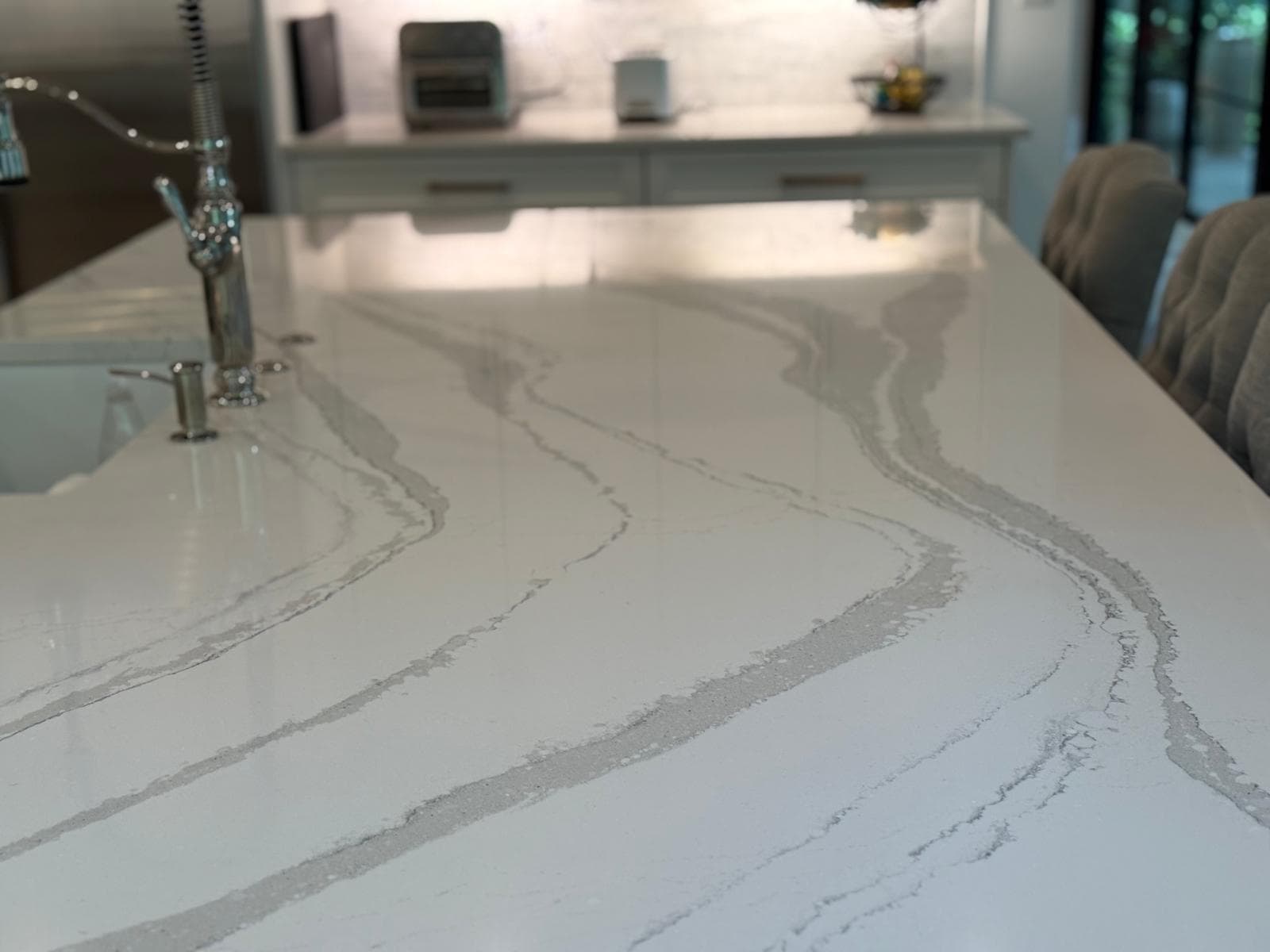
Knowing how to clean natural stone is what keeps a Milton kitchen island looking like the day it was installed. The wrong spray can dull marble in seconds, and no amount of polishing brings it back.
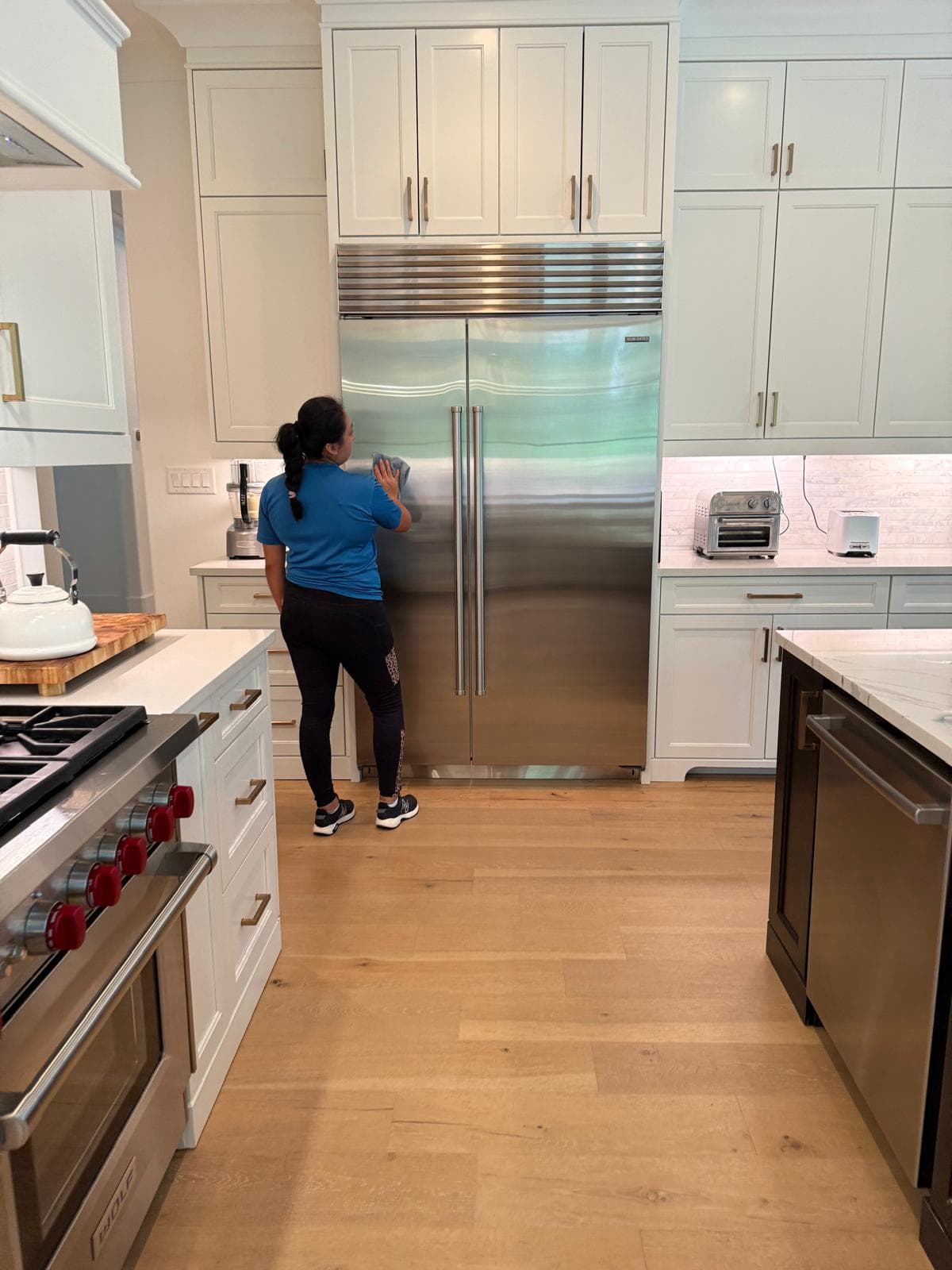
Many homes here pair stone counters with wide-plank hardwood and custom cabinetry. Those finishes look expensive because they are, and they punish the wrong product faster than builder-grade surfaces.
This guide covers the gentle routine I use on marble countertops, granite, quartzite and wood floors, and the shortcuts that cause permanent damage.
Learn how to clean natural stone and hardwood the right way once, and every weekly wipe protects the finish instead of wearing it down.
How to clean natural stone: the gentle routine
Wipe stone daily with warm water, a drop of mild dish soap and a soft microfiber cloth, then dry it. For a deeper clean, use a cleaner labeled pH-neutral or stone-safe, never vinegar, lemon or a bathroom spray.
Marble and limestone are the most sensitive. Acids react with the calcium in the stone and leave dull spots called etching, which look like water marks but will not wipe off.
Granite and quartzite are tougher, but the sealer on top is not. Strong degreasers and bleach wear the sealer down, and an unsealed counter stains from oil and wine.
Here is a quick check: drip a little water on the counter and wait a few minutes. If it beads, the sealer is working; if it darkens the stone, it is time to reseal.
Spills matter more than scrubbing. Wine, coffee, citrus and oil should come off right away, before they have time to soak in or etch.
Use coasters under glasses and trivets under hot pans. A ring from a wet glass of lemonade is an etch mark, not a stain, on marble.
Keep a cutting board out, too. Cutting straight on stone dulls knives and can scratch softer marble over time.
Products to keep away from stone and wood
Most damage I see comes from a good intention and the wrong bottle. Keep these off stone and hardwood:
- Vinegar, lemon and anything citrus based
- Bathroom, tub and tile or grout cleaners
- Bleach and ammonia on stone counters
- Abrasive powders, scrub pads and melamine sponges
- Steam mops on any wood floor
- Shine-boosting floor products that leave a film
If a product promises to make stone or wood shine, be careful. Shine often means a film that holds dirt and gets in the way of a professional recoat later.
When you are not sure what a surface is, test a hidden spot first. Some marble is cultured marble and some granite is really quartz, so the label on the cleaner matters more than the look of the counter.
Hardwood floor care, step by step
Wood is simpler than stone once you know the rule: as little water as possible. These are the five steps I follow on hardwood floors:
Dry first
Vacuum on the hard-floor setting with the beater bar off, or use a dry dust mop. The National Wood Flooring Association recommends vacuums with a hard-surface setting, because grit left on the floor scratches the finish when you mop.
Damp, never wet
Use a microfiber mop that is barely damp and follow the grain. NWFA's advice is direct: do not wet-mop a wood floor and do not use steam at all.
Dry what you wet
Wipe up any moisture right away with a dry cloth. The Ohio History Connection's preservation office puts it simply: water sitting on wood for a long time is never good.
Use the cleaner the floor maker approves
Check the manufacturer's care sheet before buying a cleaner. NWFA notes that improper products can even void the floor's warranty.
Protect it between cleanings
Felt pads under chairs, a mat at each door and no sliding furniture. Grit from driveways and gravel paths is what scratches floors between visits.
Cabinets, glass and custom finishes
Custom cabinetry usually has a lacquer or painted finish that scratches more easily than it looks. Wipe it with a soft damp cloth and a drop of dish soap, then dry it.
Grease builds up around handles and above the range. Warm soapy water lifts it, while strong degreasers can cloud the finish over time.
On glass cabinet doors and mirrors, spray the cleaner on the cloth, never on the glass. That way drips never reach the wood around it.
Brass, bronze and matte black hardware usually need nothing more than a dry cloth. Polishes made for one metal can strip the coating on another.
When to call a professional
Etching, deep scratches, cloudy sealer and worn-through floor finish are not cleaning problems. They are restoration jobs for a stone or flooring specialist.
What a cleaner can do is keep the surfaces from getting there. A deep cleaning handles grout, baseboards and buildup, and regular visits keep the daily routine consistent.
If you are deciding how often that should be, my guide on how often to have your house cleaned helps you pick a schedule.
How to clean natural stone and hardwood in one sentence
Gentle products, soft cloths, as little water as possible and spills wiped right away. That is how Milton homes keep their finishes for decades.
I clean every home myself, and I learn which counters are marble and which floors are original before I bring a single product in. If that is the care your home needs, ask for a free estimate and tell me about your surfaces.
Stone hates acid, wood hates water, and both love a gentle routine. Keep it simple and the finishes last.